Why Eternit Roofing Remains Popular After Decades
Eternit roofing has been a part of skylines and countryside rooftops for decades, and if you scratch beneath the lichen and weathered paint, you'll find a story of durability, pragmatism, and a few clever engineering choices. Why has this material kept showing up on houses, barns, and commercial buildings long after newer products arrived? Short answer: it's a blend of longevity, cost-effectiveness, ease of installation, and a certain stubborn reliability. Longer answer: stick around — I’ll walk you through why Eternit is still counted on, with real-world examples, honest caveats, and practical tips based on years of hands-on work in roofing.
I remember the first time I replaced an Eternit roof with the owners staring at me like I'd recommended swapping champagne for soda. They'd been told it would last forever; it hadn't, but it had far outlived a few contemporary roof types. We patched it, stripped it, and eventually replaced it — but the owner kept saying, "That stuff held up longer than my neighbor's shiny new tiles." That kind of testimonial reflects the nuanced reputation Eternit holds: not perfect, but dependable.
Below, you’ll find deep dives into material properties, real success stories, regulatory and safety realities, installation and maintenance advice, cost comparisons, environmental considerations, and a set of FAQs that answers the questions clients actually ask. If you're considering an Eternit roof for maintenance, repair, or replacement — or just curious why roofs from the 1960s keep on ticking — this guide is tailored for decision-makers, homeowners, and property managers who want clear, actionable information.
Why Eternit Roofing Remains Popular After Decades (Materials and Manufacturing Advantages)
Eternit started as a trade name, and over time the term slipped into everyday speech to describe fiber cement roofing and cladding. Why did that blend of cement and fibers capture the market? It’s all down to material science meeting practical needs. Fiber cement is a composite: cement binder, mineral aggregates, and reinforcing fibers. Historically those fibers included asbestos, which gave extraordinary tensile properties, but modern Eternit uses cellulose or synthetic fibers to achieve resilience without the health hazards.
What makes fiber cement stand out? For one, dimensional stability. Unlike timber shingles that shrink, expand, or cup with moisture and temperature, fiber cement holds shape. That stability reduces leaks and movement at joints, which is where roofs often fail. It’s also fire-resistant — a strong selling point in areas with wildfires or where construction codes demand non-combustible materials. Many clients have told me they chose Eternit because their insurer offered more favorable rates for non-combustible roofs. That’s not hearsay; I’ve seen policy documents reflecting that preference.
Another advantage is freeze-thaw resistance. In climates where water wicks into pores and freezes, causing spalling and cracking, a properly manufactured fiber cement sheet tends to resist catastrophic failure longer than many alternatives. Some Eternit products are engineered with additives and controlled porosity to mitigate that very issue.
Manufacturing consistency matters too. When Eternit or fiber cement products are produced under tight controls — uniform thickness, controlled curing, and consistent fiber dispersion — the result is predictable performance. Predictability builds trust. I recall a school district that specified Eternit panels for decades because their maintenance schedules became tidy: they knew when to expect repairs and how to budget for them. Predictability in lifecycle costs is underrated.
Of course, not every product bearing the Eternit name is identical everywhere. Geographic production differences, historical shifts in formulations, and varying quality controls mean buyers should request technical data sheets and evidence of current manufacturing standards before committing. Ask for tensile strength, water absorption rates, and freeze-thaw test results. If a supplier hesitates, walk away. You want proofs, not platitudes.
Finally, installation compatibility is an upside. Fiber cement sheets and tiles can be cut and fixed with commonly available tools and fasteners. For contractors, this translates to fewer surprises on-site and more predictable labor costs. For homeowners, it means shorter disruptions and fewer unexpected bills. That practical balance — a durable material that contractors can handle efficiently — explains a big part of Eternit’s persistent popularity.
Durability and Lifespan: How Long Does Eternit Roofing Actually Last? (Performance Over Time)
How long will an Eternit roof last? Good question, and the answer depends on a few variables: initial product quality, local climate, exposure, installation standard, and maintenance. But a well-made, well-installed Eternit roof can easily last 30 to 50 years, sometimes longer. I've inspected roofs from the 1970s that were still serviceable, albeit weathered. Longevity is where Eternit really shines when compared to asphalt shingles or untreated timber.
So what dictates that lifespan? First off, edge detailing and flashing. A roof only performs as well as its weakest junctions. Even the most resilient panel will fail prematurely if the flashings let water sit or if fasteners rust and let the sheet move. During one retrofit I managed for a timber-framed house, the owner had replaced only the ridge flashing — everything else stayed original. Water ingress still happened at the eaves because the gutter interface wasn't retooled. Lesson learned: don't skimp on details.
UV exposure and surface finish matter too. Many modern Eternit products have protective surface coatings that resist chalking and ultraviolet breakdown. If you’re dealing with older, uncoated sheets, expect surface weathering: fading, chalking, and eventual surface erosion. That’s mostly cosmetic until it undermines water shedding, then it becomes structural. Surface coatings can be reapplied, and painting is often a sensible maintenance item — though compatibility and breathability must be checked first.
Maintenance beats neglect every time. Simple things like clearing gutters, keeping roof valleys free of debris, and replacing cracked sheets promptly make a huge difference. One business owner I worked with scheduled two brief inspections each year; that small investment avoided a major leak and extension of the roof’s service life by nearly a decade.
Finally, remember the cost-benefit equation. The long lifespan, paired with relatively low upkeep and installation costs, makes the life-cycle cost compelling. If you amortize a roof’s cost over 40 years, Eternit often looks cheaper than alternatives with shorter useful lives or higher maintenance burdens.
Installation, Repair, and Retrofit: Practical Tips and Tricks for Contractors and Owners

What should you know before installing or repairing an Eternit roof? First, whether you’re a homeowner hiring a roofer or a contractor bidding the job, clarity is king. Ask for a detailed scope: are you replacing panels, re-laying battens, updating flashings, or changing the eaves? Each decision impacts time and cost.
Cutting fiber cement panels? Use dust extraction and masks because dust can irritate lungs. Modern sheets with cellulosic fibers are less hazardous than older asbestos-containing ones, but dust control is still wise. Use carbide blades or diamond blades on power saws, water suppression if practical, and local extraction. I always keep a HEPA vacuum on-site during cutting — it adds a little cost but saves cleanup time and keeps the job tidy.
Fastener selection matters. Stainless steel screws with neoprene washers are a solid standard. Avoid copper in mixed-metal situations, and don’t use nails where screw retention is required. Overdriven fasteners cause crushing at the fixer point and reduce longevity; under-driven ones let panels move. Torque control and skilled hands make the difference.
Retrofits can be straightforward — laying fiber cement over existing purlins or battens often accelerates projects — but watch weight. Cementitious sheets are heavier than some alternatives. Verify the roof structure’s load-bearing capacity before committing. I once had to reinforce a rafter system mid-project because the client wanted to keep historic interior ceilings intact. It added time, but saved the building’s character and met structural safety.
Sealing and flashing: use compatible sealants. Many modern sealants are formulated for cementitious substrates; silicone and polyurethane products are common. However, guarantee compatibility with paint and coatings. The right flashings, properly lapped and mechanically fixed, prevent the most common failures. Overlap direction, capillary breaks, and back-nailing choices all reduce leak risk.
Finally, document everything. Photos, serial numbers of materials, and a written maintenance program — these protect both client and contractor. A local authority inspection often appreciates documentation, and buyers in future transactions find it reassuring.
Health, Safety, and Regulatory Realities: What Owners Need to Know
People ask me, “Is Eternit safe?” Short answer: it depends what’s in the sheet. Historically, Eternit products contained asbestos fibers — that was before the health risks were fully understood. Modern Eternit and fiber cement products use non-asbestos fibers, such as cellulose or synthetic fibers, and are manufactured to strict safety and environmental standards. If you live in a property with an old Eternit roof, have it assessed by a consultant skilled in hazardous material identification before doing any cutting or removal.
So, what’s the right action if your old roof contains asbestos? Don’t panic. In many cases, if the material is intact and undisturbed, the risk of fiber release is low. However, if it’s crumbling or you must remove or cut it, you’ll need licensed asbestos removal specialists. They have containment protocols, negative pressure enclosures, and disposal routes. While pricier than regular removal, their work prevents health risks and legal headaches.
Regulatory frameworks differ by country and region. In some places, asbestos in roofing has been banned for decades; in others, older installations still exist. Always check local building codes and hazardous materials legislation before proceeding. It’s not just about safety — it’s about compliance.
On-site safety during any roofing works involves standard fall controls, PPE, and dust control. I insist on a simple but enforceable safety plan: harness anchor points installed, controlled access, toolbox talks each morning, and designated waste segregation. Many small oversights cause accidents: unsecured ladders, forgotten PPE, or complacency on seemingly easy tasks. That’s where experience helps immensely.
If you’re buying a property with an existing Eternit roof, request a materials report. If you’re a landlord, budget for periodic checks, because tenants seldom report minor defects until they become big problems.
Aesthetic Options and Design Flexibility: Modern Looks with Classic Strength
Eternit isn't just Business drab corrugated sheets anymore. Today's fiber cement products come in diverse profiles, colors, and finishes. Want the appearance of traditional slate without the weight and cost? You can get fiber cement slates that mimic texture and scale. Want a modern, sleek façade? Smooth panels with crisp joints give a contemporary vibe.
Painting and coatings expand options even further. Breathable mineral paints can rejuvenate an older roof and extend life, and modern pigmented silicone coatings can reduce surface temperature and add weather resistance. But always check manufacturer guidance: coating systems must be compatible with the substrate, and some older sheets may need consolidation or primer before any finish is applied.
Designers and architects appreciate Eternit for its dimensional stability and predictability. It allows long runs without worrying about cupping or warping, so you get cleaner lines on large facades or roofs. That predictability also helps with detailing around dormers, rooflights, and roof-to-wall junctions; nothing's worse than a material that surprises you mid-install.
I once worked with an architect who specified fiber cement panels for a community hall because they wanted a dark, matte finish that wouldn't fade dramatically over time. We matched paint systems, optimized overhangs to manage rain patterns, and the result looked sharp for years. Clients often choose Eternit when they want a balance of form and function: good aesthetics plus low fuss.
Maintenance for aesthetics? Simple. Occasional pressure rinses (low pressure), moss control where needed, and targeted repainting make a roof look new — without the cost of replacement. That tidy appearance helps property values and curb appeal, which matters when you're planning to sell.
Cost, Value, and Life-Cycle Analysis: Is Eternit the Economical Choice?
How does Eternit stack up on price? Upfront costs are usually competitive with mid-range roofing options. Not the cheapest, not the most expensive. But the secret sauce is life-cycle cost. Because Eternit often lasts funny post longer with moderate maintenance and is repair-friendly, the cost per year of service can be lower than many alternatives.
Let’s compare roughly (indicative figures; local prices vary):
- Asphalt shingles: low upfront, 15–25 year lifespan, medium maintenance. Metal roofing: higher upfront, 40–60 year lifespan, low maintenance. Fiber cement (Eternit): medium upfront, 30–50 year lifespan, moderate maintenance. Natural slate: high upfront, 75+ years, low maintenance but high specialist labor cost.
A quick table helps:
| Roofing Type | Typical Lifespan | Upfront Cost | Maintenance Level | Typical Uses | |--------------|------------------:|-------------:|------------------:|-------------| | Asphalt shingles | 15–25 years | Low | Medium | Residential budget roofs | | Metal roofing | 40–60 years | High | Low | Commercial/steep slope | | Eternit (Fiber cement) | 30–50 years | Medium | Moderate | Residential, institutional | | Natural slate | 75+ years | Very high | Low | Heritage/long-term investments |
When you factor in replacements, scaffold costs, and disruption, Eternit often looks very attractive for owner-occupiers and institutionals who want durable coverage without extreme upfront capital.
Remember to factor in warranty and manufacturer backing. A product with an extended warranty and a reputable installer reduces future risk. Also, get lifecycle cost projections — many clients find it eye-opening when we model five replacement scenarios across 50 years.
Finally, resale value. A well-maintained Eternit roof signals to buyers that the house has been cared for. That reassurance often translates to quicker sales and fewer renegotiations.
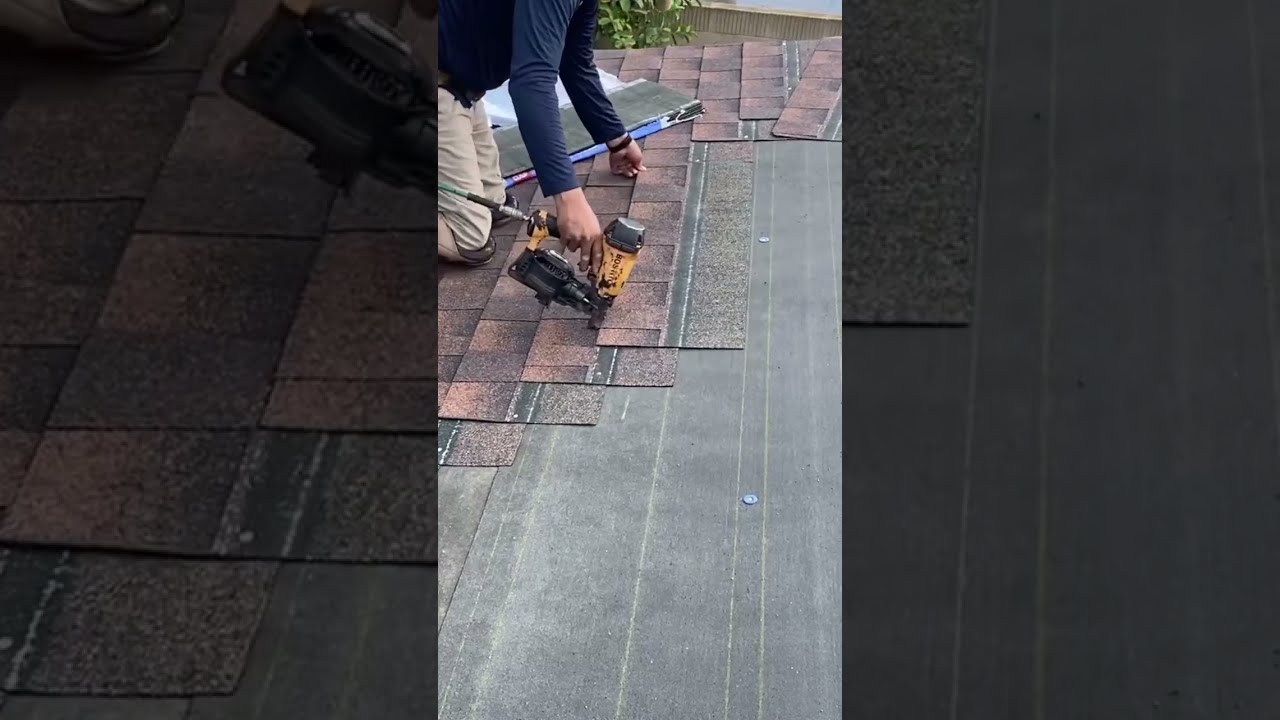
Sustainability and Environmental Impact: Recycling, Waste, and Green Choices
Is Eternit green? It depends on how you measure it. Fiber cement uses cement, which has a high embodied carbon footprint due to clinker production. That’s the environmental downside. On the plus side, Eternit roofs last, reducing frequency of replacements; long service life equals fewer materials over decades. Also, many modern manufacturing plants use recycled content in aggregates and improve energy efficiency in production.
End-of-life considerations are important. Non-asbestos fiber cement can often be crushed and reused as aggregate in construction or disposed of in regular construction waste streams, subject to local rules. Older asbestos-containing sheets require licensed disposal. For clients concerned about circularity, some manufacturers offer take-back or recycling programs for offcuts and waste during installation.
Energy performance: fiber cement is not a roof insulator per se, but it can be combined with insulation layers or ventilated cavities to meet modern thermal standards. Color choice has an effect: lighter finishes reduce solar heat absorption, which helps in warm climates; darker finishes help in colder ones. Reflective coatings can also be applied to reduce heat gain.
One of the most sustainable choices is making the right decision for the lifetime of the building. Over-specifying or under-specifying can both have environmental costs. My approach is always pragmatic: choose the product that meets performance needs, lasts a long time, and can be responsibly handled at end of life.
Real Client Stories: Successes, Lessons, and the Occasional Murphy’s Law Moment
Let me tell you about three real projects that encapsulate why Eternit endures.
1) The Victorian Terrace (a success story) A family with a mid-1900s terrace faced leaking at multiple junctions. We replaced a failing timber roof covering with fiber cement slates, matched the color to the street, and improved flashings and insulation. The family saved on premiums, got warmer rooms, and the street still looks sympathetic to its era. They said the installation was quick and the roofer left the site cleaner than when they arrived — the sort of thing that wins trust.
2) The School Gym (pragmatic value) A local school needed a durable roof that wouldn’t disrupt term-time use. We phased installation over holidays, installed robust fiber cement panels with sacrificial sacrificial flashings that could be maintained by the in-house team, and provided a simple maintenance guide. Ten years in, just a couple of minor repairs had been needed. The head teacher still calls us annually for a cake at inspection time — a small but telling endorsement.
3) The Farm Shed (Murphy’s Law) A farmer tried to save money by having an inexperienced crew patch holes themselves on a corrugated Eternit roof. They used the wrong fasteners, and a storm escaped their careless detailing. We were called in to fully replace and reinforce purlins. The lesson? Material can be forgiving, but poor workmanship bites. Good products don’t eliminate the need for competent installation.
Those anecdotes underscore a constant: materials perform according to design and workmanship. Eternit gives you a lot of potential upside, but you’ll realize it only with proper design, installation, and maintenance.
Frequently Asked Questions (FAQs)
Q1: Is Eternit roofing the same as asbestos roofing? A1: Not necessarily. Historically, many fiber cement products contained asbestos fibers. Modern Eternit and fiber cement use non-asbestos fibers such as cellulose. If your roof dates before the late 1980s in many countries, it may contain asbestos; get it tested before any intervention.
Q2: How much maintenance does an Eternit roof need? A2: Moderate. Expect periodic inspections (once or twice a year), gutter clearing, prompt replacement of cracked or broken sheets, and occasional re-coating if aesthetic renewal or added protection is desired.
Q3: Can I install solar panels on Eternit roofs? A3: Yes, but use non-penetrative mounting systems where possible, or ensure fasteners are corrosion-resistant and correctly flashed. The roof structure must be checked for loads from panels and mounting systems.
Q4: Are Eternit roofs noisy during rain? A4: No more than most roofing types when installed over proper underlay and insulation. A ventilated battens system and insulated ceiling reduce noise transmission.
Q5: How should I remove old Eternit sheets if they might contain asbestos? A5: Hire licensed asbestos removal professionals. They’ll control dust, use negative pressure enclosures if needed, and dispose of material to licensed facilities. It’s not a DIY job.
Q6: Can I paint my Eternit roof? A6: Often yes. Use compatible, breathable coatings recommended by the manufacturer. Preparation matters — clean, prime, and ensure any repairs are completed before painting.
Practical Checklist Before You Choose Eternit Roofing
- Verify product technical datasheets and warranties. Confirm whether existing sheets contain asbestos; test if unsure. Assess roof structure for additional load capacity. Choose stainless steel fixings and appropriate flashings. Plan maintenance with the client and document it. Use contractors experienced with fiber cement work. Confirm disposal routes for waste materials. Consider color/finish for energy performance and aesthetics.
Final Thoughts and Trust-Building Advice
Eternit roofing remains popular because it hits a sweet spot: durable, relatively affordable over a lifespan, and versatile in appearance. But the product's success relies on sensible selection, correct installation, and reasonable upkeep. From my years on roofs, the buildings that last are the ones where clients and tradespeople talk openly, plan sensibly, and respect details. Want a roof that’s low fuss and long-lived? Consider Eternit — just pick good materials, competent Business installers, and a maintenance plan.
If you’d like, I can help you evaluate an existing Eternit roof, draft a maintenance schedule, or prepare a specification for replacement or retrofit. I’ll bring the checklists, the contacts, and the occasional hard-learned anecdote to make your project smoother and more predictable.
Why Eternit Roofing Remains Popular After Decades (Closing Section: Restated Key Points)
Eternit endures because it was designed to be practical, and practicality appeals to people who own buildings. Long life, predictable performance, and manageable maintenance create real value. Paired with modern manufacturing and safer fiber choices, Eternit remains a robust contender for roofs and facades. It isn’t glamorous, but it’s honest — and sometimes, honest is exactly what a roof should be.
If you have specific plans — a quote to compare, a roof to inspect, or a concern about older materials — ask away. I’ll provide clear, direct guidance and, if you want, a step-by-step plan tailored to your property.